
 Hereditary Cancer Risk Clinic
Hereditary Cancer Risk Clinic
Know your inherited cancer risk, and what to do about it.
- Genetic counseling & testing
- BRCA1 / BRCA2
- PALB2
- Lynch syndrome
- Hereditary polyposis
- High-risk screening & follow-up
 Your care is with Dr. F. Ames Smith Jr.Leading hereditary cancer risk clinics since 2012
See Dr. SmithThree offices or by telehealth
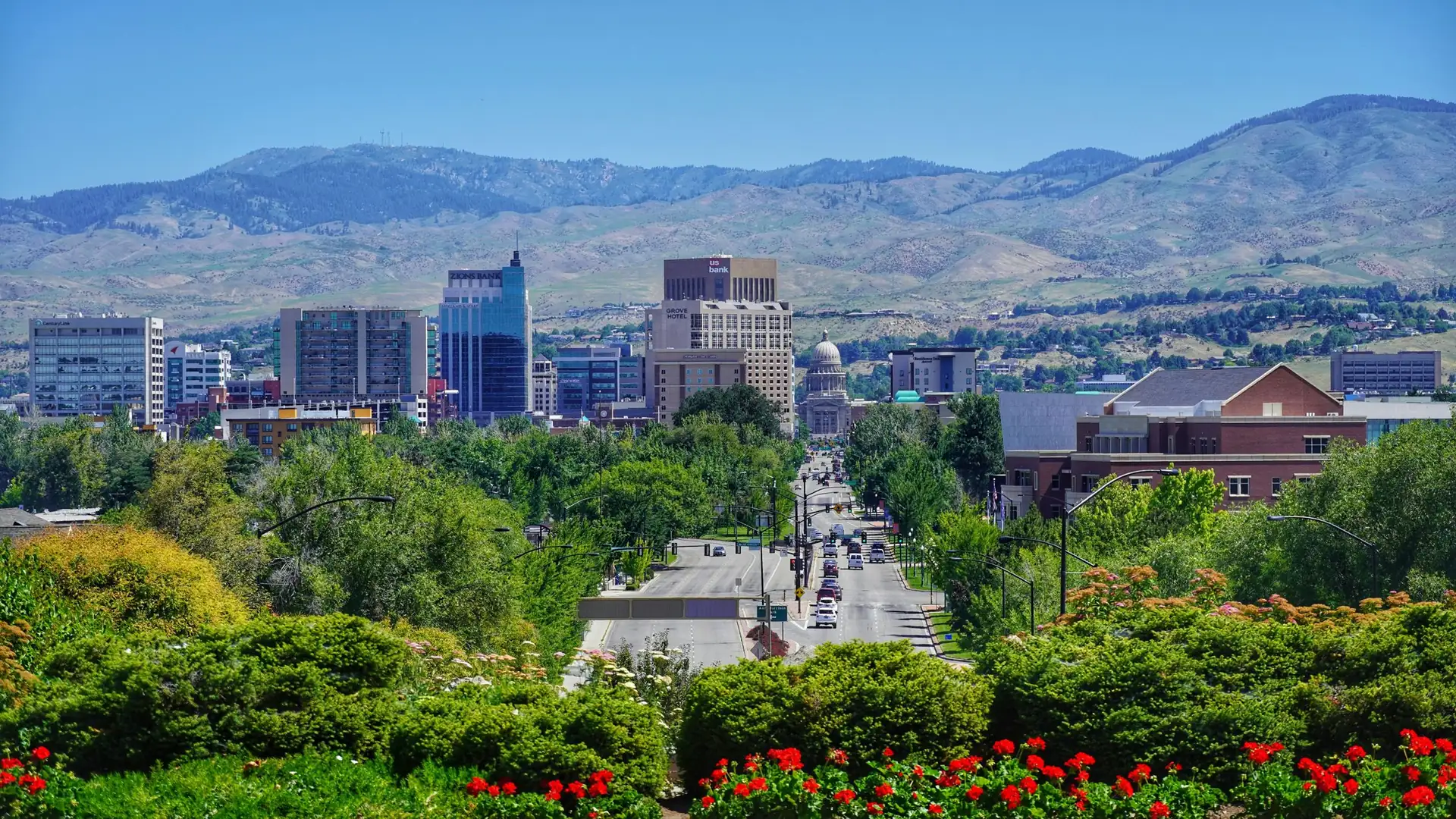
Spokane, WA3009 S Grand BlvdFridays 8-5 (other weeks).Sandpoint, ID414 Church StTuesdays 8-5 (other weeks).Boise, ID8950 W Emerald Stthe second week of every month (based on Sundays), Monday-Friday 8-5. TelehealthIdaho and WashingtonAll other days Request an appointmentAll other days are telehealth. Days in office may change based on travel schedule or other conditions.
- City of HopeCancer genetics education; Clinical Cancer Genomics Community of Practice
- Since 2012Leading hereditary cancer risk clinics
- Start to finishCounseling, testing and follow-up with Dr. Smith
- In networkFor visits with Dr. Smith: Medicare, Idaho Medicaid, Blue Cross of Idaho, Regence, Aetna and more
About 5 to 10% of cancers are inherited. Finding that risk early changes what you and your family can do about it.
Many of these inherited gene variants are autosomal dominant: a parent who carries one has a 50% chance of passing it to each child, and other blood relatives may carry it too. The risk is often much higher than the general population's, and it can affect several parts of the body.
The good news: when a genetic predisposition is found, there are active steps to reduce the risk or find cancer earlier. Dr. Smith guides you through the whole process, from the first conversation to long-term follow-up for you and your family.
How the clinic worksWho should test?
Is testing right for you?
Consider a visit if you or a close relative has a personal or family history of any of these.
Request an appointmentNot sure? Download the risk assessment (PDF) or call 208-400-5131.
- Multiple stomach or colon polyps
- Ovarian cancer
- Pancreatic cancer
- Male breast cancer
- Bile duct or intestinal cancer
- Multiple melanomas
- Breast, colon or uterine cancer at an early age, or more than one
- Aggressive or multiple prostate cancers
- Ashkenazi Jewish ancestry
- Other cancer types or combinations
What to expect
Clear steps, and a doctor with you at each one
From the first conversation to the plan that follows your results.
Before you test
Dr. Smith reviews your personal and family history, draws a family tree and talks through your options and what results could mean.
Testing, if you choose
A simple saliva or blood test, processed by an outside laboratory. Testing is often covered by insurance when national guidelines are met. The lab does an immediate cost estimation and, if high, will notify you with billing options.
Your results and your plan
A follow-up visit to explain your results and build a care plan. Genetic counseling with a certified genetic counselor, included in the cost of your testing, and follow-up for you and your family.

F. Ames Smith Jr. MDHereditary Cancer Risk Clinic
Meet Dr. Smith
A doctor who has led hereditary cancer risk clinics since 2012
Dr. Smith has dedicated his practice to men and women at high risk for cancer, especially those with an inherited genetic predisposition. In practice since 1990 (as an active breast cancer surgeon until 2024) and leading hereditary cancer risk clinics since 2012, he brings decades of cancer care to every plan, and works with local and regional specialists so each patient's care is coordinated.
- 2012 to 2022Director, Hereditary Cancer Risk Clinic, The Polyclinic, Seattle
- GeneticsIntensive cancer genetics education, City of Hope (2019); Clinical Cancer Genomics Community of Practice
- TrainingUniversity of Texas Medical Branch (MD, 1984); Baylor College of Medicine (1990)
- TodayPhysician Specialists Northwest, serving Idaho and Washington
Ready to understand your risk?
Call the office or request an appointment, and we'll find a time in Spokane, Sandpoint, Boise or by telehealth.